At Community Vision, advocacy is part of how we move our mission forward—supporting policies and investments that expand community ownership, strengthen local economies, and increase access to opportunity in historically underinvested communities.
Recently, members of our team traveled to both Sacramento and Washington, D.C. to join fellow community development financial institutions (CDFIs) for advocacy days hosted by the California Coalition for Community Investment (CalCCI) and Rise Economy. We met with lawmakers and public officials to highlight the critical role CDFIs play in delivering capital to the people and places traditional financial systems too often overlook.
Advocating for Communities at the State Level
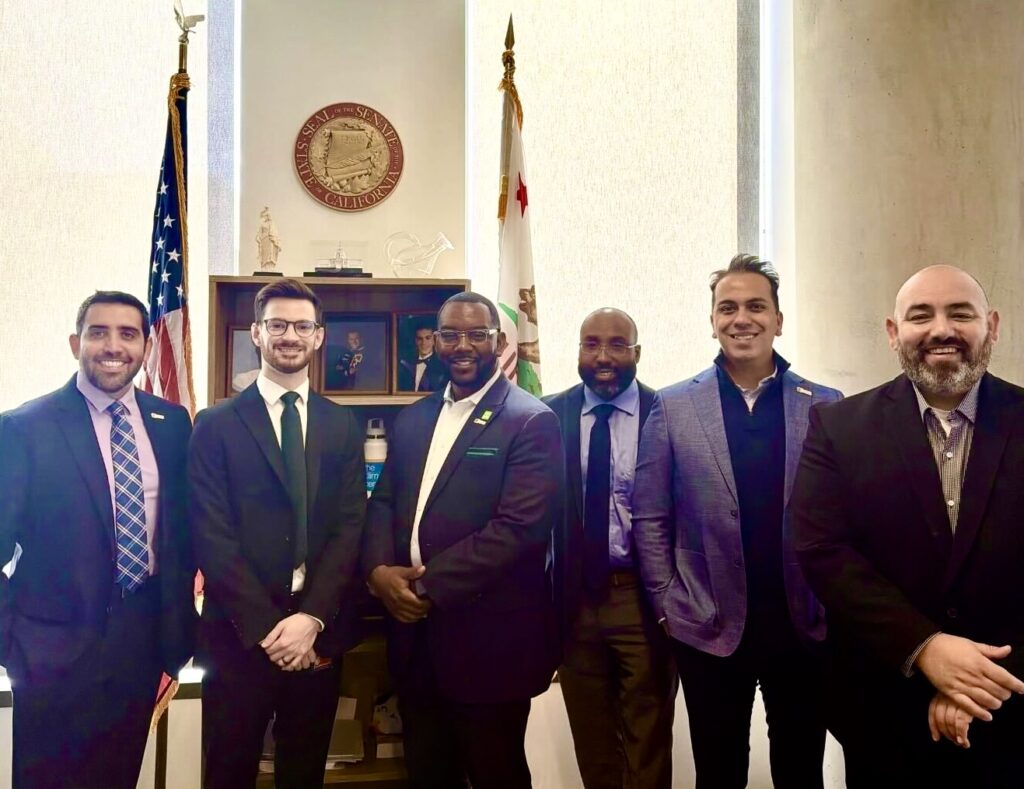
In Sacramento, Community Vision’s Vice President of Development, Matias Bernal, and Vice President of Program Strategy, Leslie Payne, joined CalCCI for its annual CDFI Advocacy Day at the State Capitol.
CalCCI is a statewide coalition of more than 50 CDFIs working together to expand equitable access to capital across California. Throughout the day, coalition members met with legislators and staff to reinforce the importance of investing in community development and ensuring that resources reach communities that have experienced generations of systemic disinvestment.
Our team joined meetings with representatives from the offices of:
- Senator Jerry McNerney
- Assemblymember Esmeralda Soria
- Assemblymember Matt Haney
- Senator Scott Wiener
- Senator Aisha Wahab
- Senator Anna Caballero
- Assemblymember Juan Alanis Bains
- Assemblymember David Tangipa Macedo
- Assemblymember Lori Wilson
- Assemblymember Catherine Stefani
We advocated for continued support of the California Investment & Innovation Program (Cal IIP), a state program that partners with CDFIs to unlock private investment and move capital into communities where traditional financing often falls short. Cal IIP has become a national model for how states can partner with CDFIs to strengthen local economies and expand access to opportunity.
The program works by combining state investment with private capital, allowing CDFIs to mobilize significantly more funding for community development projects. For every $1 invested by the state, CDFIs leverage private investment to drive up to $8 into California’s economy. These investments help finance affordable housing, small businesses, nonprofit organizations, and other projects that create long-term community benefit.
We are grateful to the legislators who have already signed on in support of renewing Cal IIP. While we recognize this is a challenging budget year, continued support for the program is an investment in communities across California and the organizations working to strengthen them.
Advancing Community Investment Priorities in Washington
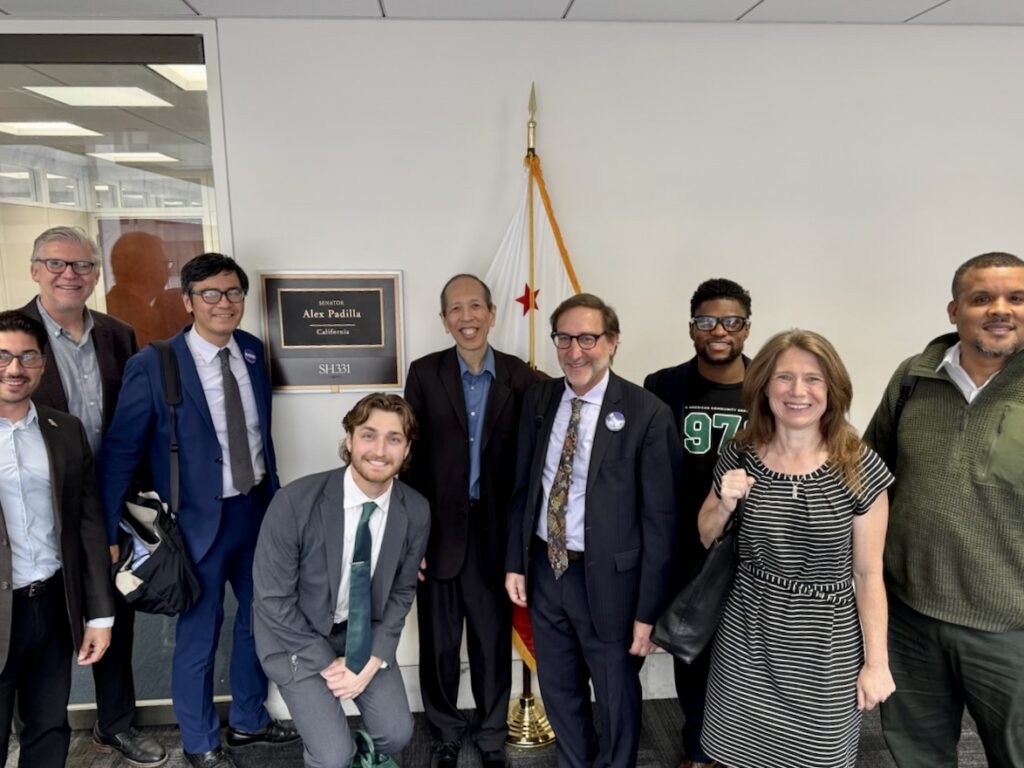
At the federal level, Community Vision President Catherine Howard joined the Rise Economy delegation in Washington, D.C. to advocate for equitable access to capital and the continued strength of the CDFI sector.
The delegation met with congressional offices, federal partners, and policy leaders to discuss issues critical to low- and moderate-income communities across the country, including sustaining the Community Development Financial Institutions Fund (CDFI Fund) and continued enforcement of the Community Reinvestment Act (CRA).
Together, the CRA and the CDFI Fund help direct investment into communities that have historically been excluded from traditional financing. The CRA requires federally insured banks to invest in and provide access to credit in low-income communities, while the CDFI Fund helps CDFIs finance affordable housing, small businesses, healthcare centers, and other projects that strengthen local economies. On average, CDFIs leverage federal dollars at an 8-to-1 ratio, making the CDFI Fund one of the federal government’s most effective tools for expanding access to capital in underserved communities.
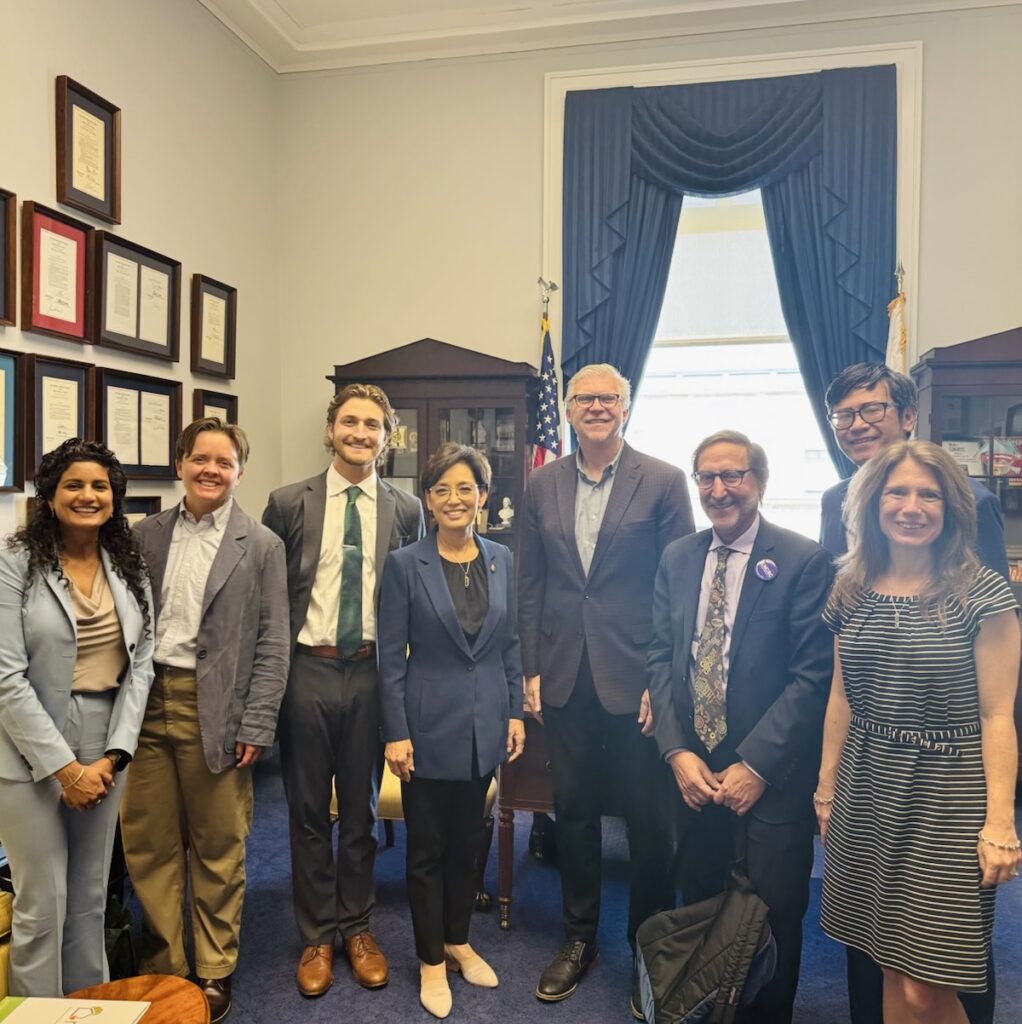
During the trip, the delegation met with staff at the Federal Reserve, Representative Young Kim, Housing Financial Services staff, and the offices of Senators Alex Padilla and Adam Schiff to discuss the continued importance of policies and programs that expand access to capital in low-income communities.
Conversations with Federal Reserve staff underscored the importance of continued CRA enforcement as a tool for ensuring capital reaches underserved communities. The delegation also expressed appreciation for Representative Young Kim’s support of the CDFI Fund and recognition of the critical role CDFIs play in moving capital into under-resourced communities.
The meetings highlighted how foundational the CRA and CDFI Fund have been in building the community investment ecosystem we know today—helping expand access to capital in communities that have been systematically excluded from traditional financial systems, while underscoring the continued need for investment and policies that address persistent inequities in financing and economic opportunity.
Why Our Advocacy Matters
CDFIs exist to help close the gaps created by generations of disinvestment and unequal access to capital.
For decades, many low-income communities and communities of color have faced systemic barriers and intentional disinvestment that limited economic opportunity. CDFIs were created to help address those inequities by moving flexible, community-centered capital where it is needed most.
But capital alone is not enough.
Advocacy is one way CDFIs help counteract longstanding disinvestment by supporting policies and investments that direct more resources into historically excluded communities. That work happens at the local, state, and federal levels because creating more equitable access to financing requires action across multiple systems and institutions.
For Community Vision, that means working alongside our partners to advocate for policies and programs that increase opportunity, strengthen local economies, and support community-led solutions. Whether advocating for federal programs or state investments like Cal IIP, our approach is grounded in the understanding that building an inclusive economy requires action at every level.
We are proud to stand with fellow CDFIs and partners across the country in building a more inclusive economy—one where capital reaches the people and communities driving lasting change.